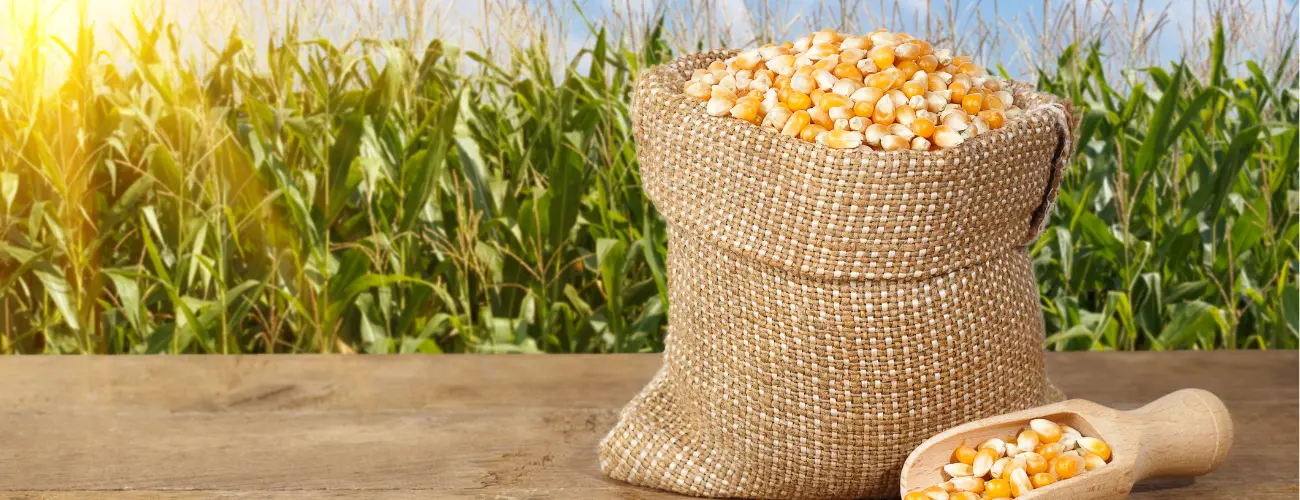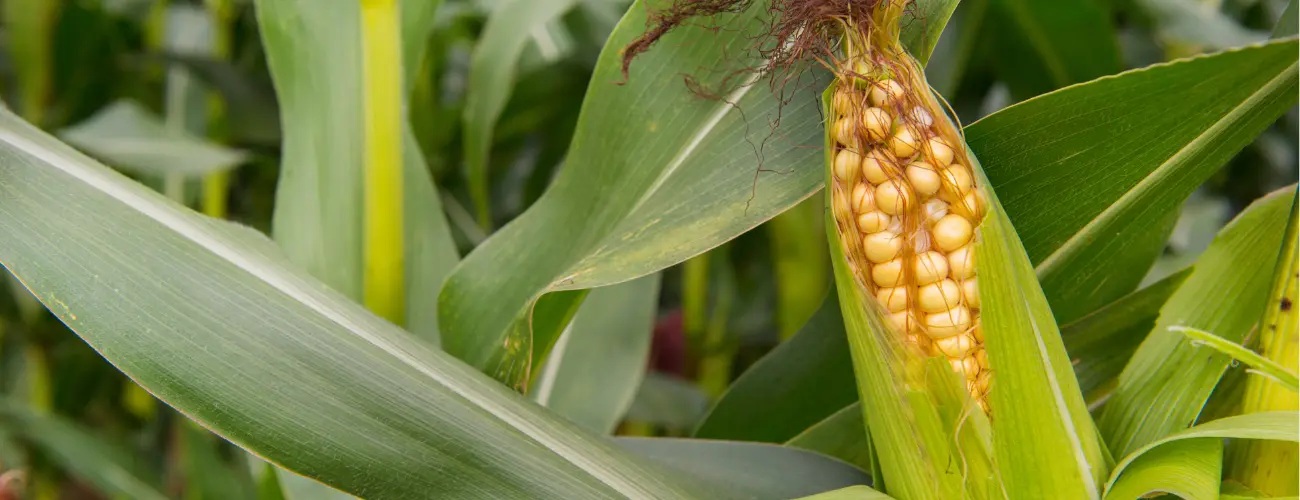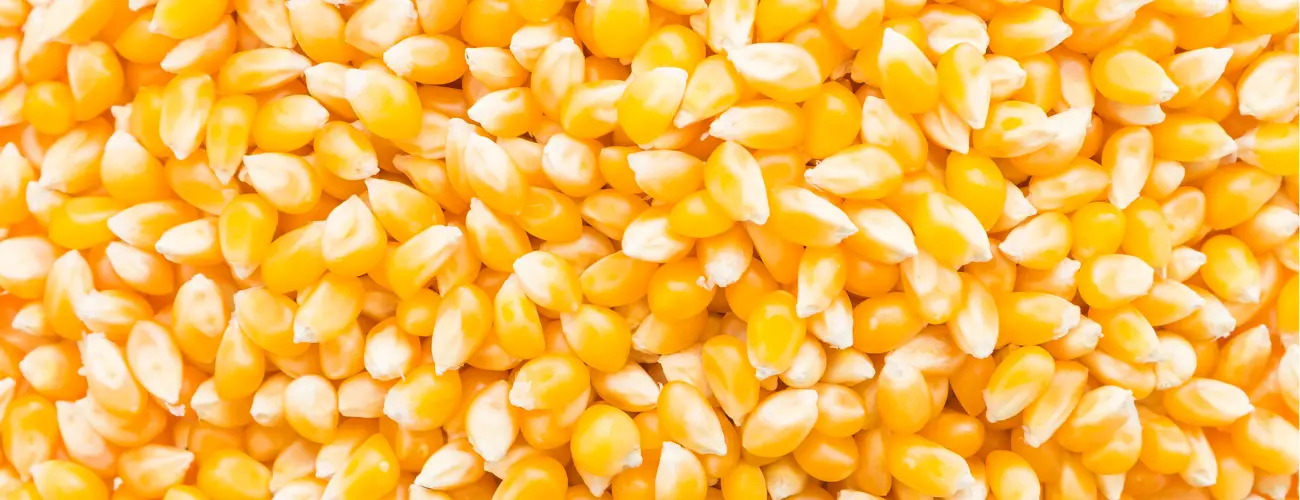

Maize (yellow corn ) is used mainly f for animal feed, it is a high-quality and nutritious option to meet the dietary needs of livestock, poultry, and other animals. our maize offers a range of benefits for animal health and productivity.
It contains:
Carbohydrates
Maize is rich in carbohydrates, typically containing around 70% to 75% of carbohydrates.
Protein
The protein content of maize is approximately 8% to 10%. It provides essential amino acids required for animal growth and development.
Dietary Fiber
Maize contains approximately 2% to 4% dietary fiber, which aids in digestion and promotes gut health in animals.
Fats
Maize contains around 3% to 5% fat. The fat in maize is primarily unsaturated fats, including beneficial fatty acids.
Vitamins
Maize is a good source of various vitamins, including:
- Vitamin B-complex
- thiamine (B1)
- riboflavin (B2)
- niacin (B3)
- pantothenic acid (B5)
- pyridoxine (B6)
- folate (B9)
- Maize also provides vitamin E, which acts as an antioxidant.
Maize is a source of several minerals important for animal health, including:
- Phosphorus: Maize contains approximately 200 to 400 mg of phosphorus per 100 grams.
- Potassium: Maize provides around 400 to 500 mg of potassium per 100 grams.
- Magnesium: Maize contains approximately 120 to 150 mg of magnesium per 100 grams.
Zinc, iron, and other trace minerals: Maize also contains small amounts of zinc, iron, and other essential trace minerals.
It’s important to note that these values are approximate and can vary depending on factors such as the maize variety, growing conditions, and post-harvest handling